Guide to Vending Machines: Insights, Trends, Technology, and Practical Knowledge
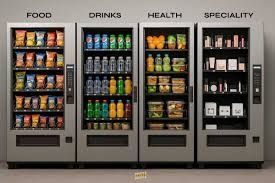
Vending machines are automated dispensing systems designed to provide items such as snacks, beverages, hygiene products, and essential goods without the need for staff assistance. These machines exist to offer convenient access to products in schools, offices, transportation hubs, and public areas. Over time, they have evolved from simple mechanical devices into advanced digital systems with sensors, touchscreens, and cashless payment technology.
Their purpose is to simplify access to essential items at any time of the day. With the growth of automation and smart technology, vending machines now support wider product categories, improved user experience, and more efficient stocking and management.
Importance
The importance of vending machines continues to increase due to lifestyle changes, demand for convenience, and the global shift toward automated retail environments. They matter to:
-
Offices and workplaces, where employees rely on quick access to refreshments.
-
Schools and universities, which use vending systems for snacks and education supplies.
-
Hospitals and public facilities, offering round-the-clock access to essential goods.
-
Transportation centers, improving availability of food and travel necessities.
-
Entrepreneurs and facility managers, who benefit from automated operations without staff involvement.
Vending machines help solve several challenges such as long store wait times, staffing shortages, and limited access during late hours. They support efficient retail experiences and reduce operational overhead for facility operators.
Recent Updates
From 2023–2025, vending machines have experienced rapid innovation driven by digital transformation and new consumer expectations.
-
2024: Growing shift toward cashless-only vending using mobile payments, QR codes, and NFC systems.
-
2025: Increased adoption of AI-controlled vending, offering personalized suggestions and real-time inventory updates.
-
2024–2025: Growth of health-focused vending offering nutritious snacks and smart portion control.
-
2025: Rise in unmanned retail pods—a hybrid between vending machines and micro-stores with smart security.
-
New Materials: Energy-efficient refrigeration systems are being integrated to support sustainability goals.
-
IoT Connectivity: Modern machines now include cloud-based dashboards for inventory planning and fault detection.
These updates reflect how vending machines are transitioning from mechanical dispensers to intelligent retail solutions.
Laws or Policies
Regulations around vending machines vary by country but typically cover health, safety, digital transactions, and energy standards. Key policy considerations include:
-
Food and Hygiene Guidelines: Machines dispensing beverages or snacks must follow sanitation protocols and temperature rules.
-
Electrical and Safety Standards: Machines must comply with national electrical codes and equipment safety tests.
-
Accessibility Requirements: Some areas require accessible height levels and easy-to-use interfaces.
-
Digital Payment Regulations: Machines that handle cashless transactions must adhere to secure payment protocols.
-
Environmental Rules: Energy-efficient models are encouraged to reduce power consumption.
These laws ensure that vending machines remain safe, reliable, and accessible to the general public.
Tools and Resources
A variety of tools and resources improve vending machine operation, management, and product tracking. These resources are useful for businesses, facility managers, and learners exploring vending technology.
Helpful Tools
-
Product inventory trackers
-
Cashless payment monitoring dashboards
-
Energy usage monitors
-
Smart sensors for temperature control
-
Touchscreen interface software
-
QR-based machine control panels
Educational Resources
-
Vending machine maintenance guides
-
Product mix planning templates
-
Sensor calibration charts
-
User safety checklists
-
Machine layout diagrams
-
Digital interface tutorials
Table: Types of Vending Machines
| Type | Description | Common Use |
|---|---|---|
| Snack & Beverage Vending | Traditional machines for packaged food | Offices, schools, public spaces |
| Smart Vending Systems | Equipped with sensors, AI, and screens | Airports, corporate hubs |
| Hygiene & Healthcare Vending | Dispenses sanitary items | Hospitals, malls |
| Frozen & Refrigerated Vending | Temperature-controlled units | Transit terminals |
| Specialty Product Vending | Tools, electronics, accessories | Factories, universities |
| Unmanned Retail Pods | Mini digital shops | High-traffic locations |
Graph: Growth in Vending Trends (Text-Based Representation)
(2023–2025 increasing adoption)
Higher bar = higher trend growth.
FAQs
What are vending machines used for today?
They are used to provide convenient access to snacks, beverages, hygiene products, and specialty items in public and private environments.
How do smart vending machines work?
Smart vending machines use sensors, touchscreens, and cloud-connected systems to manage inventory, accept digital payments, and reduce operational errors.
What powers modern vending technology?
Modern systems use refrigeration systems, microprocessors, IoT connectivity, and energy-efficient components to support smooth operation.
Are vending machines regulated?
Yes. Regulations cover hygiene, safety, digital transactions, temperature controls, and energy standards depending on the country.
What products can vending machines dispense?
Products range from food and drinks to personal care items, electronics, stationery, and even protective equipment depending on machine design.
Conclusion
Vending machines continue to evolve as essential components of automated retail environments. Their ability to provide convenient access to products, function without staff, and operate efficiently makes them valuable across industries. With the rise of smart technology, cashless systems, sustainability-focused designs, and digital monitoring tools, vending machines are becoming more reliable and adaptable than ever before.
Understanding their types, functions, policies, and modern innovations helps users and professionals appreciate the expanding role of automated retail in daily life.