Architecture Design Guide: Sustainable, Residential, Commercial, and Digital Planning
Architecture design focuses on planning, designing, and shaping buildings and spaces where people live, work, and interact. It combines technical knowledge, creative thinking, environmental awareness, and social responsibility. Over time, architecture has evolved from purely functional construction into a discipline that balances safety, comfort, efficiency, and long-term sustainability.
Modern architecture exists to respond to changing lifestyles, urban growth, environmental concerns, and technological progress. Today’s buildings are expected to do more than provide shelter. They are designed to improve energy efficiency, support community needs, adapt to climate conditions, and integrate with surrounding landscapes. Concepts such as sustainable architecture and green building design now play a central role in how structures are planned and constructed.
Importance
Architecture design matters because it directly affects daily life, environmental impact, and urban development patterns.
Human comfort and functionality
Well-designed spaces improve lighting, ventilation, acoustics, and movement flow. Residential architecture design firm approaches focus on livability, privacy, and adaptability for changing family needs.
Environmental responsibility
Buildings account for a large share of global energy use. Green building design reduces resource consumption, supports renewable materials, and lowers environmental impact over time.
Urban growth management
As cities expand, urban architecture and landscape design help organize transportation, public spaces, and infrastructure in a way that supports long-term livability.
Economic and social value
Thoughtful architectural planning increases building longevity, usability, and adaptability, helping communities remain functional as needs evolve.
Recent Updates
Architecture design has experienced several notable developments over the past year.
Growth of sustainable standards (2024–2025)
Environmental building benchmarks have gained wider adoption, encouraging energy-efficient materials, passive cooling strategies, and water-conservation designs.
Expansion of digital modeling tools
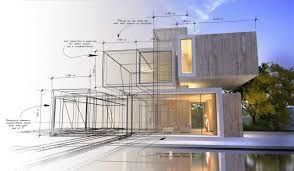
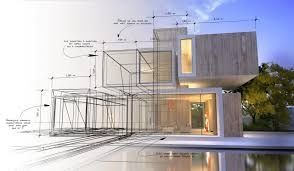
3D architectural visualization services have advanced significantly, allowing stakeholders to explore realistic digital models before construction begins. These tools improve clarity and reduce planning errors.
Integrated design approaches
Architectural consultancy services increasingly emphasize collaboration between architects, engineers, and urban planners to create cohesive design strategies for residential and commercial projects.
Smart materials and adaptive design
Modern building design architects are incorporating materials that respond to temperature, light, and structural stress, improving durability and efficiency.
Laws or Policies
Architecture design operates within regulatory frameworks that vary by region but share common principles.
Building codes and safety regulations
Local authorities define minimum standards for structural integrity, fire safety, and accessibility. These regulations guide both residential and commercial architecture and planning services.
Environmental compliance
Green building initiatives often align with national sustainability policies, influencing material choices, energy systems, and waste management practices.
Zoning and land-use rules
Urban planning laws determine building height, density, and land allocation. These policies directly shape urban architecture and landscape design outcomes.
Accessibility requirements
Many regions require inclusive design features that support mobility, visibility, and safety for all users.
Tools and Resources
Architecture professionals rely on a range of digital and planning tools to support accurate design and coordination.
-
Computer-aided design software for technical drawings
-
3D architectural visualization platforms for realistic modeling
-
Energy performance simulators for sustainability analysis
-
Urban planning frameworks for large-scale development
-
Material performance databases for durability assessment
-
Building information modeling systems for coordination
-
Environmental impact assessment tools for green projects
Table: Architecture Design Focus Areas
| Design Area | Primary Objective | Key Considerations |
|---|---|---|
| Sustainable Architecture | Resource efficiency | Energy use, materials, climate |
| Residential Architecture | Livability | Space planning, privacy |
| Commercial Architecture | Functional efficiency | Workflow, accessibility |
| Landscape Design | Environmental balance | Outdoor integration |
| Visualization & Modeling | Design clarity | Accuracy, realism |
FAQs
What is sustainable architecture and green building design?
It focuses on reducing environmental impact through efficient energy use, responsible materials, and climate-responsive planning.
How does urban architecture differ from residential design?
Urban architecture addresses large-scale planning, infrastructure, and public spaces, while residential design focuses on individual living environments.
Why is 3D architectural visualization important?
It allows clear understanding of design intent, spatial layout, and aesthetics before physical construction begins.
What role does architectural consultancy play?
It supports planning decisions, regulatory compliance, and coordination between technical disciplines.
How does modern architecture adapt to climate conditions?
By using passive cooling, natural lighting strategies, and climate-responsive materials.
Conclusion
Architecture design continues to evolve as environmental awareness, urbanization, and technology reshape how buildings are planned. From sustainable architecture and green building design to urban planning and advanced visualization, modern architectural practice balances creativity with responsibility. Understanding these principles helps individuals and communities make informed decisions about the spaces they inhabit and develop.