Guide to Film Overwrapping Machines: Packaging Technology and Industry Overview
Film overwrapping machines are packaging systems designed to wrap products with a thin plastic film in a tight, uniform manner. The wrapping process encloses items completely or partially, creating a protective outer layer that improves presentation, stability, and protection from external elements. These machines are widely used in packaging environments where appearance and product integrity are equally important.
The development of film overwrapping machines was driven by the need to replace manual wrapping methods that were inconsistent and time-intensive. Manual wrapping often resulted in uneven film tension, poor sealing, and limited protection. Automated overwrapping systems introduced controlled film handling and sealing to achieve consistent packaging results.
Today, film overwrapping machines are used across food processing, pharmaceutical packaging, cosmetics handling, and consumer goods industries where standardized wrapping is required.
Why Film Overwrapping Machines Matter Today
Film overwrapping machines play an important role in modern packaging by improving protection, uniformity, and process efficiency. Overwrapping creates a barrier against dust, moisture, and handling damage while maintaining product visibility.
Their importance can be explained through the following aspects:
-
Product protection: The film layer shields items from external contamination.
-
Packaging consistency: Automated wrapping ensures uniform appearance.
-
Handling stability: Wrapped products maintain shape during transport.
-
Process reliability: Mechanized wrapping reduces variability across batches.
These machines affect packaging operators, quality control teams, logistics planners, and regulatory authorities by supporting standardized packaging practices.
Recent Developments and Industry Trends
Over the past year, film overwrapping machine technology has continued to advance with greater emphasis on automation and process precision.
During 2024 and early 2025, many facilities adopted servo-driven film control systems that regulate film tension and wrapping accuracy. These systems help maintain consistent wrap tightness across varying product dimensions.
Another notable trend is the integration of programmable control panels, allowing operators to adjust wrapping parameters such as film length, sealing temperature, and cycle timing with higher accuracy. This supports standardized packaging across multiple product formats.
There has also been increased focus on compact machine designs, enabling better space utilization while maintaining wrapping performance in high-throughput environments.
Regulatory and Policy Considerations
Film overwrapping machines operate within regulatory frameworks related to packaging safety, material compliance, and equipment operation. These policies are designed to ensure product safety and operational reliability.
Key regulatory considerations include:
-
Packaging material standards: Guidelines for materials used in direct or indirect product contact.
-
Food and pharmaceutical safety rules: Requirements for hygiene and contamination prevention.
-
Industrial equipment safety norms: Standards for mechanical protection and electrical systems.
-
Environmental policies: Regulations governing packaging waste handling and disposal.
Compliance with these regulations helps ensure safe and responsible packaging operations.
Types of Film Overwrapping Machines
Film overwrapping machines are classified based on automation level, wrapping method, and product orientation. Each type supports specific packaging needs.
| Machine Type | Wrapping Method | Typical Application |
|---|---|---|
| Manual Overwrapper | Operator-assisted wrapping | Low-volume packaging |
| Semi-Automatic Overwrapper | Partial automation | Medium-scale processing |
| Automatic Overwrapper | Fully automated | High-volume packaging |
| Side-Seal Overwrapper | Side film sealing | Rectangular products |
| Bottom-Seal Overwrapper | Bottom film sealing | Cartons and boxes |
Understanding these machine types helps align packaging technology with operational requirements.
Key Components of Film Overwrapping Machines
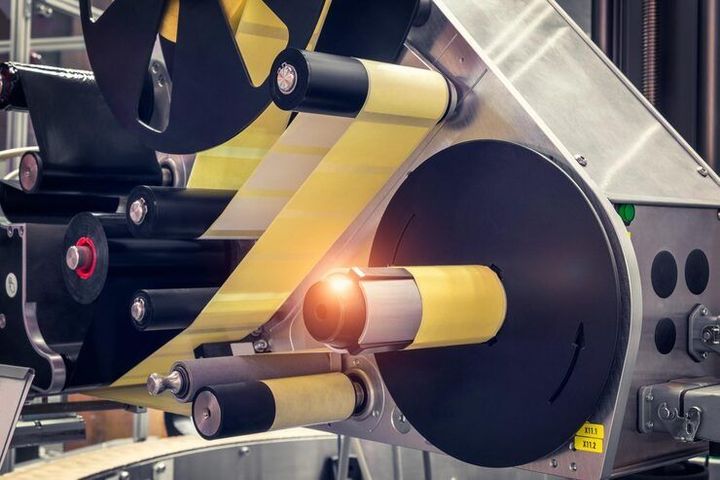
Film overwrapping machines consist of integrated components designed to manage film handling and sealing accuracy.
-
Film roll holder: Feeds wrapping film into the machine.
-
Cutting unit: Separates film to the required length.
-
Wrapping frame: Guides film around the product.
-
Sealing system: Applies heat to secure film edges.
-
Control interface: Manages speed, temperature, and cycle settings.
Each component contributes to consistent wrapping quality and machine performance.
Tools and Resources Supporting Overwrapping Operations
Supporting tools and monitoring systems help maintain consistent wrapping performance and packaging quality.
-
Film tension gauges: Monitor stretching and alignment.
-
Seal inspection tools: Verify sealing uniformity.
-
Cycle monitoring panels: Track machine performance.
-
Material compatibility charts: Assist with film selection.
-
Maintenance scheduling tools: Support operational reliability.
These resources help ensure stable wrapping outcomes across different product formats.
Common Challenges in Film Overwrapping Processes
Despite advanced automation, film overwrapping processes can face several operational challenges.
-
Film misalignment: Causes uneven wrapping appearance.
-
Seal inconsistency: Affects package integrity.
-
Film tearing: Results from incorrect tension settings.
-
Product size variation: Impacts wrapping accuracy.
Managing these challenges requires precise machine calibration, consistent material quality, and standardized operating procedures.
Film Overwrapping Process Overview
The film overwrapping process follows a structured sequence to achieve uniform results.
-
Product positioning on the infeed system
-
Film feeding and measurement
-
Wrapping around the product
-
Heat sealing of film edges
-
Cooling and visual inspection
Each step contributes to final packaging stability and appearance.
Table: Factors Affecting Film Overwrapping Quality
| Factor | Impact on Wrapping |
|---|---|
| Film Tension | Determines wrap tightness |
| Sealing Temperature | Affects seal strength |
| Product Dimensions | Influences wrap accuracy |
| Machine Speed | Impacts consistency |
| Film Thickness | Affects durability |
Frequently Asked Questions
What is the main function of film overwrapping machines?
They wrap products with a thin film layer to protect and stabilize packaging.
Are film overwrapping machines used only for food products?
No, they are also used in pharmaceuticals, cosmetics, and consumer goods packaging.
Why is sealing accuracy important in overwrapping?
Accurate sealing ensures film stability and prevents loosening during handling.
How does film tension affect packaging results?
Proper tension maintains wrap uniformity without damaging the film.
Can film overwrapping machines handle different product sizes?
Many machines support size adjustments to accommodate various product dimensions.
Conclusion
Film overwrapping machines are an important part of modern packaging systems, providing consistent protection, stability, and visual uniformity. Advances in automation, control systems, and machine design have improved wrapping accuracy and operational reliability.
By understanding machine types, regulatory considerations, operational tools, and quality factors, stakeholders can better manage film overwrapping processes and maintain consistent packaging standards across industries.